


Buy High-Quality
 Delivery in 4 hours
What Is A Coaxial Cable? How a Coaxial Cable Works
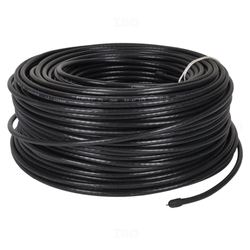
A Coaxial Cable is an electrical cable that transmits TV, internet, and video signals from one location to another via a central conductor made of copper. This cable is surrounded by insulation and a shielding layer to minimize signal loss and interference. The coaxial cable transmits electrical signals along an inner conductor while using the outer metal shield to block external interference (noise) from reaching its destination, thus providing a clear, uninterrupted signal to both your television and your broadband connections. IBO presents a wide collection of coaxial cables that you can order online for a seamless and enjoyable TV viewing experience. Whether you are planning to upgrade your home setup or install a new connection, the coaxial cable available at IBO delivers durable, high-performance picture quality with minimal signal loss.
Different Types of Coaxial Cables
Coaxial cables are classified by their RG (Radio Guide) rating, impedance, and construction, with common types including RG6 (satellite/broadband), RG59 (CCTV), and RG11 (long-distance). Other types include hardline, triaxial, and flexible, which are selected based on shielding and flexibility needs.
Here are the most common types of coaxial cables used today:
- - RG6 Cable – This is the most widely used cable for handling high-frequency signals, HDTV, and satellite connections. It is compatible with both types of signals, including high-frequency and HD quality.
- - RG59 Cable – This is a thinner, more flexible cable suitable for short-distance connections, such as CCTV systems.
- - RG11 Cable – This thicker cable is better suited for long-distance signal transmission with minimal signal loss.
- - Hardline Coaxial Cable – A heavy-duty coaxial cable used by cable TV providers for outdoor and underground installations.
- - Flexible Coaxial Cable – These cables are designed for tight spaces and indoor setups where you need to bend the cable frequently.
Key Features to Look for in a TV Cable Wire
When choosing a TV cable (coaxial cable), the key features to look for are the RG-6 standard for digital signals, 75-ohm impedance, and double- or quad-shielding to prevent interference. RG-6 is superior to older RG-59 cables for HD and DTH setups because it has lower signal loss over long distances. Here are some basic features to look for:
- Cable Type - Recommended cable types are RG6 cables, which support HD/4K signals and deliver higher-quality performance than standard definition signals.
- Shielding Quality - Quad-shielded cables provide users with less interference and noise than standard coaxial cables.
- Conductor Material - The use of copper or copper-type connector cables provides users with optimal signal transmission.
- Durability and Insulation - An outer jacket protects the cable from weather-related wear and tear.
- Length and Signal Loss - Use the correct length to minimize signal degradation.
- Connector Quality - High-quality connectors are essential to ensure reliable, durable connections.
Coaxial Cable vs Other TV Cables
Here’s a simple comparison of coaxial cables vs other common TV connection options:
Feature | Coaxial Cable (RG6) | HDMI Cable | Ethernet Cable (Streaming) | Fiber Optic Cable |
Primary Use | Cable TV / Satellite | TV to set-top box/devices | Internet-based TV (OTT/Smart TV) | High-speed internet & IPTV |
Signal Type | Electrical RF signals | Digital audio & video | Data packets (internet) | Light Signals |
Picture Quality | Good (HD/4K supported) | Excellent (Full HD, 4K, 8K) | Excellent (depends on internet speed) | Excellent (ultra-fast and stable) |
Distance Support | Long distance with low loss | Short to medium distance | Medium distance | Long distance |
Interference | Low (with proper shielding) | Very low | Low | None |
Cost | Affordable | Moderate | Moderate | Expensive |
Advantages of Using High-Quality coaxial cable used for TV
All high-grade coaxial cables used for TV, such as RG6 or RG11, have better signal quality than standard coaxial cables. This means that your picture quality will be sharper and clearer, your audio quality will be clearer, and your signal will experience minimal loss over long distances.
Here are some key advantages:
- Image and sound are delivered in high-definition (HD) and 4K formats without distortion.
- Signal loss is minimized, so signal strength is maintained over longer distances.
- Improved shielding reduces electromagnetic interference/noise.
- Strong insulation helps prolong the life of the cable and resist damage from wear-and-tear.
- Provides consistent, uninterrupted viewing of TV with no frequent interruptions.
- Cost savings over time due to reduced need for cable replacement and maintenance.
Things to Consider Before Buying a Coaxial Cable
Before buying a coaxial cable, consider the type of cable for compatibility, shielding to prevent interference, length, and environmental rating. Here are some key considerations before buying:
- 1. Cable Types (RG59 vs RG6): A RG6 is necessary for high definition and to service broadband internet services. It is thicker, has larger bandwidth capabilities and is more durable. However, a RG59 is used for older applications or short distance/low frequency applications.
- 2. Distance/Signal Loss: The signal strength decreases over longer distances. Hence, it is better to use the shortest length necessary to minimize signal degradation.
- 3. How Well Does The Cable Shield: If you live in an area with a lot of Electromagnetic Interference, such as one with heavy satellite or internet usage, you should use a quad-shielded cable for a clear signal.
- 4. Cable Jacket Ratings: If the cable is installed directly outside, with burial, it should be weatherproof and UV-resistant. However, if the cable is going to be installed inside the wall, it should meet a good fire-safety rating.
- 5. Connectors: When using connectors, compression-type connectors should be used instead of twist-on as they do not create leaks and will hold the connector better to the cable, especially with RG58 connectors.
- 6. Flexibility: A thicker cable (RG11) typically outperforms a thinner cable (RG59). However, if you are working in a small area or require long lengths to be flexible, then a thinner cable will usually outperform a thicker cable.
Why Buy Coaxial Cable from IBO.com
Purchasing coaxial cables online from IBO offers a wide choice of top brands like Finolex, providing excellent signal quality for television and surveillance systems, and that too at discounted prices. IBO is a one-stop shop for its customers, supplying every type of home improvement product, including electrical items such as wires and cables, which are verified and of the highest quality. The products available at IBO come with guaranteed durability and are delivered to your doorstep, typically within 72 hours (4-hour delivery on select items and pin codes).
Frequently Asked Questions
- 1. What is the best coaxial cable for a TV connection?
The best coaxial cable for a television connection is RG6 (75-ohm), preferably quad-shielded, because it provides excellent signal quality with minimal interference and supports HD/4K television reception.
- 2. What is the price of coaxial TV cable in India?
In India, coaxial TV cables (such as RG6) typically range in price from INR 10 to INR 30 per meter, depending on quality and brand. Bulk rolls (100–300 meters) can cost INR 2,000 to INR 6,000 or more, making them cheaper per meter when bought in larger quantities.
- 3. Where can I buy cable wire online?
For the best and most affordable cable wire purchase, trust none other than IBO.com. You can order cable wire online from IBO and get it delivered to your doorstep within 4 hours (depending on your location or pin code), or, for other items, within 72 hours of your order.
- 4. What type of TV coaxial cable should I choose for my home?
For home TV setups, RG-6 coaxial cable is the best choice. RG-6 is the standard used for today’s HD television, satellite, and cable modem Internet service. Due to this standardization, it offers low signal loss and superior shielding against interference.
- 5. Is coaxial cable used for TV still the best option?
Coaxial cable (like RG6) is still a reliable option for TV, especially for cable and satellite connections, offering stable signal quality at a low cost. However, with the rise of smart TVs and internet streaming (via Wi-Fi or fiber), it’s no longer the “best” option for everyone but rather one of several good choices.