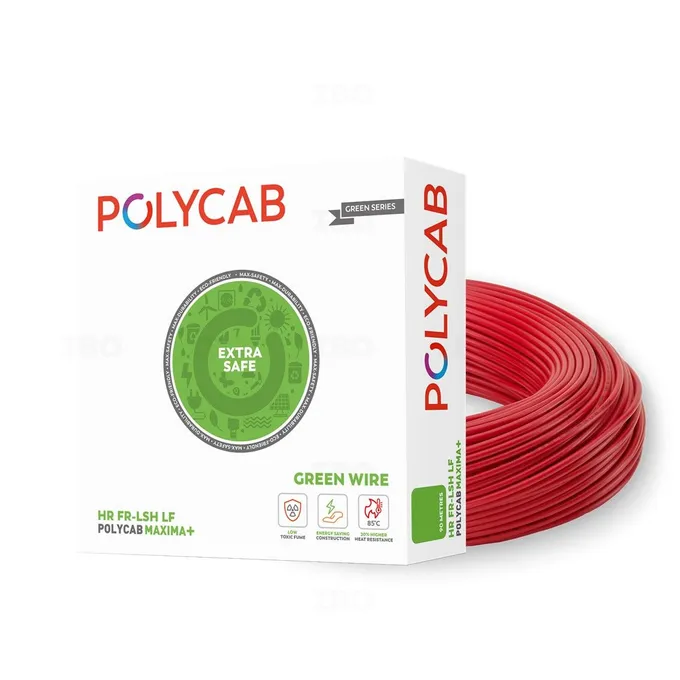
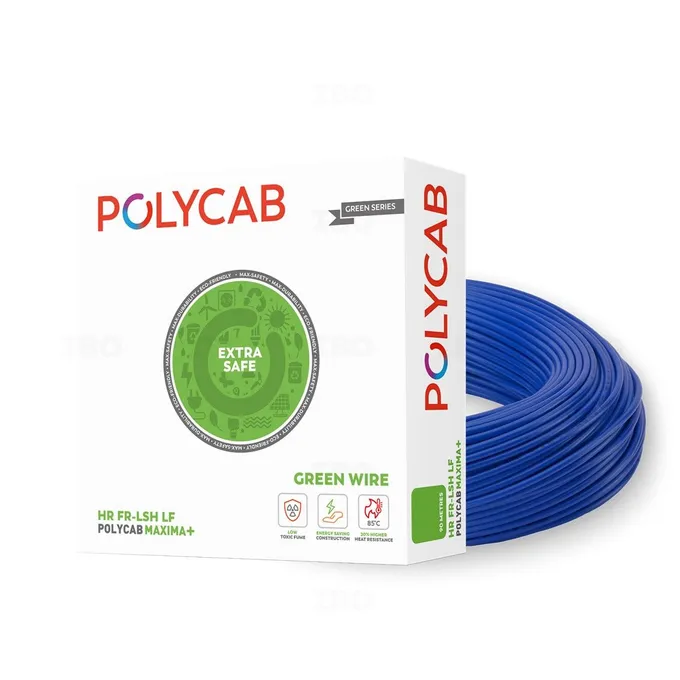
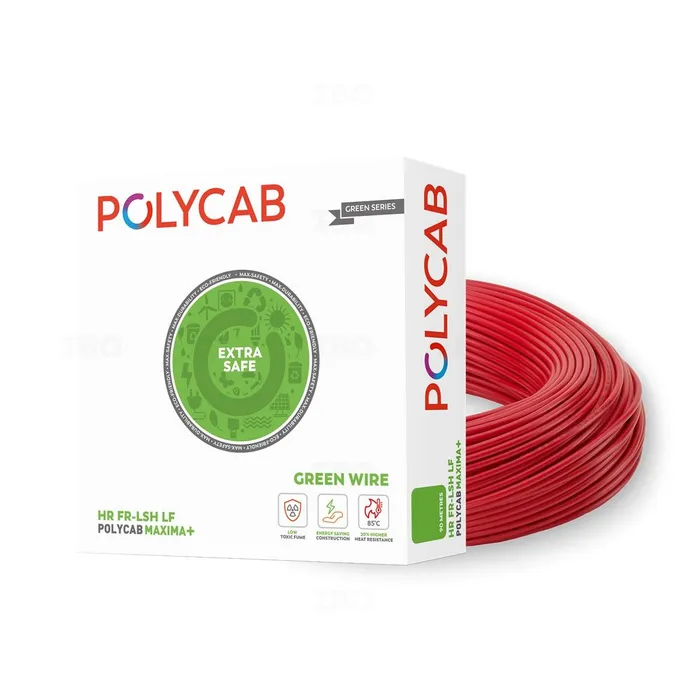
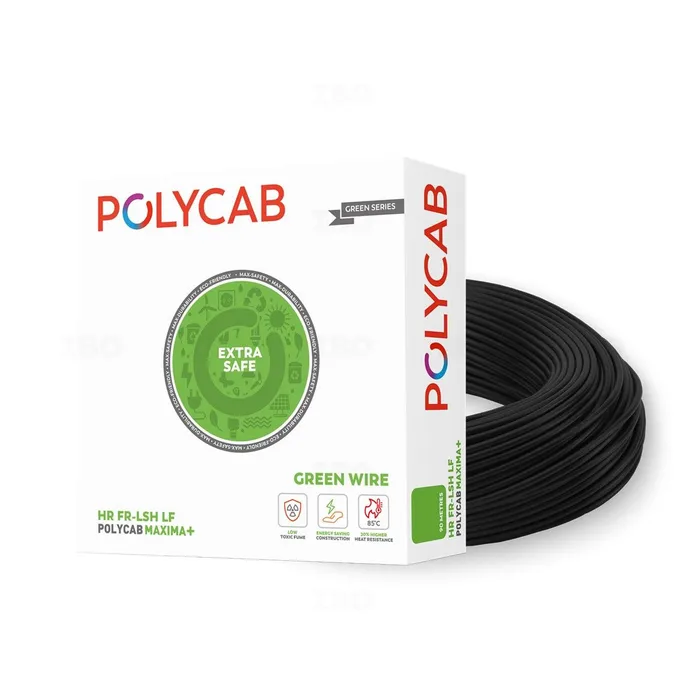
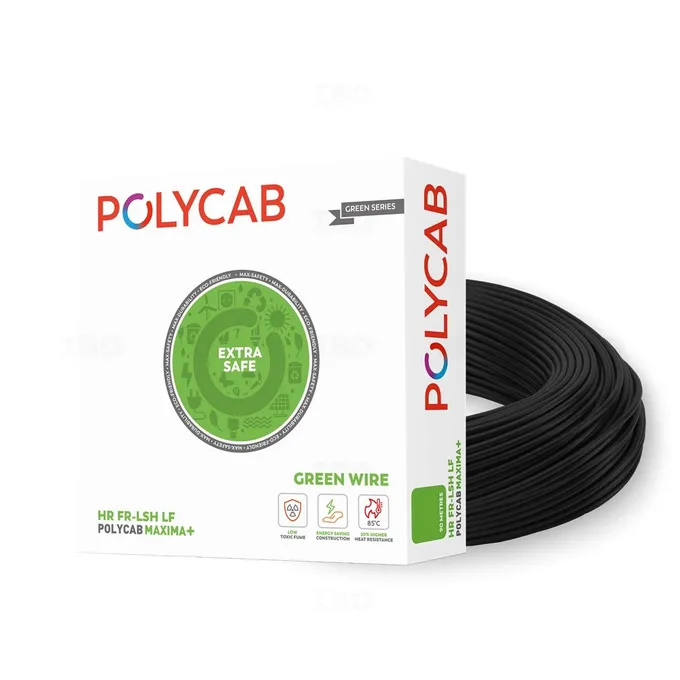
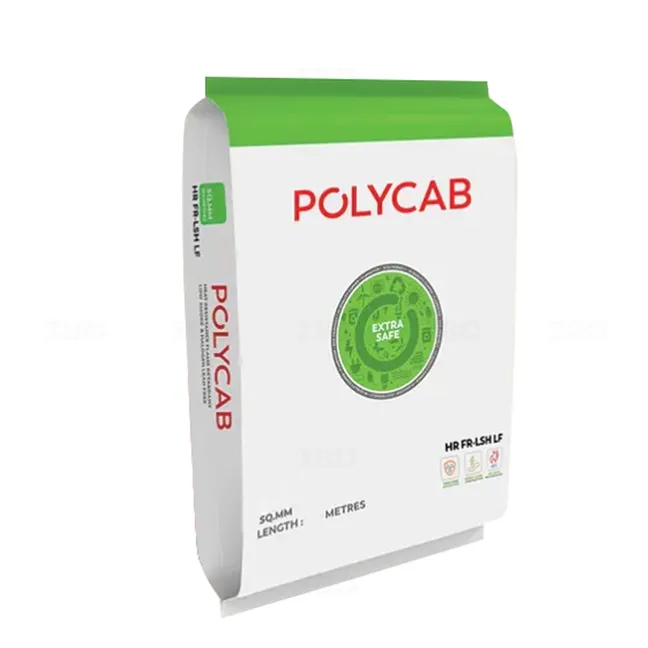
What is Low-Tension Wire (LT Wire) and How Does It Work in Electrical Systems?
The low-tension (LT) wire might not seem glamorous, but it is key to powering almost every electrical system, such as home appliances, office equipment, and more. These wires are designed to deliver power at lower voltages, making them perfect for general use around your home or business, or for light industrial applications up to 1000 volts.
LT wire also provides the final link in the entire chain of power distribution from the electrical source through the electrical distribution panel to the switches, outlets, and devices where power is utilized. As a result, these wires support the safe, consistent, and reliable flow of electricity in your home or business, making them vital to much of electrical distribution today.
Different Types of Low-Tension Wires Used in Residential and Industrial Applications
Low-tension (LT) wires come in various types, each designed to suit specific electrical needs across residential and industrial settings. Choosing the right type ensures safety, durability, and efficient power distribution.
Common Types of LT Wires for Residential Applications are:
- NM-B (Non-Metallic Sheathed Cable/Romex): These are standard wires used for indoor, dry residential wiring, such as outlets and switches.
- THHN/THWN-2: These Nylon-coated wires are used within conduit for both wet and dry locations. They are commonly used in service entrances and hot areas.
- UF (Underground Feeder): These wires are particularly designed for direct burial underground to power outdoor areas such as gardens, garages, and sheds.
- Low-Voltage Cables: These cables are used for specialized, low-power systems like doorbells, thermostats, and security cameras (typically 12V-48V).
Common Low-Tension Wires for Industrial Applications:
- Armoured Cable (BX/MC): Flexible metal-clad cables that provide superior mechanical protection in industrial and commercial environments.
- Multi-Conductor Cables: Combine multiple insulated conductors to control machinery, HVAC systems, and automation.
- Fire-Resistant Cables: Engineered to maintain circuit integrity during a fire, crucial for emergency systems.
- Instrumentation Cables: Screened or shielded cables designed for transmitting low-energy signals between instruments, crucial for control processes.
How to Choose the Right Low-Tension Wire for Your Electrical Needs
To guarantee electrical safety, efficiency, and longevity, it is important to choose the appropriate low-tension (LT) wire. The choice, however, depends upon your usage, load requirements, and installation conditions.
Some key factors to consider are:
- 1. Load Capacity (Current Rating) – Make sure that you use the appropriate size of wire (sq. mm) for the electrical load produced by each of the appliances or systems in your application.
- 2. Type of Conductor – Copper is a better conductor than aluminum, but in larger installations, aluminum is often a more economical choice.
- 3. Insulation Material - Use basic PVC insulation for normal applications; either FR, FRLS, or XLPE insulation for more protection against heat and fire.
- 4. Installation Environment – Use armoured cables for outdoor and underground locations and flexible wires in frequently moving locations.
- 5. Safety Standards and Certification - Ensure that your wires are ISI certified or that they comply with some other recognized safety standard in order to have high-quality and reliable performance.
- 6. Brand/Quality – Always choose quality and trusted brands to ensure the proper lifespan, consistency, and safety of your installation.
Important Safety Tips and Installation Guidelines for Low-Tension Wires
Appropriate installation and careful handling of low-tension (LT) wiring are critical to avoiding electrical short circuits and accidents, as well as for the long-term durability of your electrical system.
Important Safety Guidelines Include:
- - Power OFF Before Working With Wires: Always turn off equipment before working on your own installations.
- - Choose the Right Gauge of Wire for the Load: The wire size must be adequate for the load it carries, so you don’t overheat and risk a fire.
- - Don’t Overload Circuits: Be careful not to overload a circuit when connecting devices, as too many will cause circuit failure and damage to the wiring and the devices you have connected.
- - Use Proper Insulation: Insulate electrical wires with high-quality insulation (FR or FRLS) to reduce the risk of short circuits and fire.
- - Hire a Qualified Electrician: When it comes to having work performed on your home, ensure you use qualified professionals to carry out the job properly and to code.
Things to Consider Before Buying Safe LT Wires
It is important to buy low-tension (LT) wires that are safe and reliable to prevent electrical hazards and ensure long-term performance. To make the right decision about which wire to purchase, evaluate several important factors when choosing LT wire for both residential and industrial applications.
Before you purchase safe LT wires, consider the following:
- Check the voltage and current ratings of the wire: If the wire is not rated for the required load or voltage, it may overheat or cause the electrical system to fail.
- Choose the right wire gauge: If the gauge size of your wire is incorrect, you may have the risk of energy losses through overheating or creating a risk of fire.
- Select quality insulation around the wire: Quality insulation will provide better protection from the effects of heat and fire. Some of the more common types of insulation around the wire are PVC, XLPE, and FR/FRLS.
- Check for certifications or standards associated with the wire: Only purchase ISI-marked or ISI-certified wires. This way, you can ensure that the wire is durable, safe, and compliant.
- Consider where the wire will be used: If the wire will be used outdoors, underground, or in an area with high moisture content, consider using armoured or weather-resistant cables.
- Purchase the wire from a well-known and trusted manufacturer: Reliable manufacturers will typically provide more consistent wire quality, improved performance, and a longer lifespan.
Shop the Best Low-Tension Wire at Wholesale Prices at IBO.com
IBO.com is your best option for buying affordable, durable electric wire. IBO is one of the best home improvement destinations, offering a wide range of high-quality, low-voltage wires from top brands on its platform. IBO.com gives you everything you need to ensure your application is secure and performs well.
IBO offers wholesale LT wire prices and many lucrative deals and discounts, so you can find exactly what you need without sacrificing quality. IBO has a vast inventory of products for residential, commercial, and industrial applications, all in one place.
Whether you are planning for new wiring or you have large-scale projects, you can search IBO's entire Low Tension wire collection by using the specific information available for the intended use of each type of LT wire. With IBO, you can ensure genuine products, great customer service, and fast delivery, making shopping with IBO.com a positive experience.
FAQs
- 1. What is a low tension (LT) wire, and where is it used?
Low Tension (LT) cables and wires are electrical conductors designed for safe transportation of low voltage, typically up to 1.1 kV, for final distribution to customers. It is used in residential, commercial, and light industrial applications.
- 2. Which LT wire brands are available on IBO?
At IBO, LT brands available include Finolex, Polycab, Havells, Anchor, Orbit, V-Guard, and GM, among others.
- 3. How do I choose the right LT wire size (sq mm) for my home wiring?
Selecting an appropriate size of Low Voltage (LV) wires (measured in square millimeters) for homes is vital to maintaining a safe electrical environment and preventing overloading, voltage drop, and fire hazards. The wire size selected will depend on the appliances' electrical load (current), the length of the wire run, and the type of installation.
- 4. What is the current LT wire price per meter in India?
As of April 2026, the price of Low Tension (LT) wire per meter in India varies significantly, typically ranging from INR 70 to over INR 1,600 per meter, depending on material (copper/aluminum), core count, armouring, and brand.
- 5. Can I buy low-tension wire online and get it delivered near me?
Yes, you can order low-tension wire online from IBO and get it delivered to your doorstep. Also, you can search for ‘low tension wire near me’ on Google to find IBO stores near you.
- 6. Are the LT power wires on IBO ISI certified and fire-resistant?
Yes, the LT (Low Tension) power wires and cables listed on IBO are ISI certified and designed with fire-resistant properties. They are 100% genuine and secure products for use at home, in offices, and for light industrial applications.


 Delivery in 4 hours